
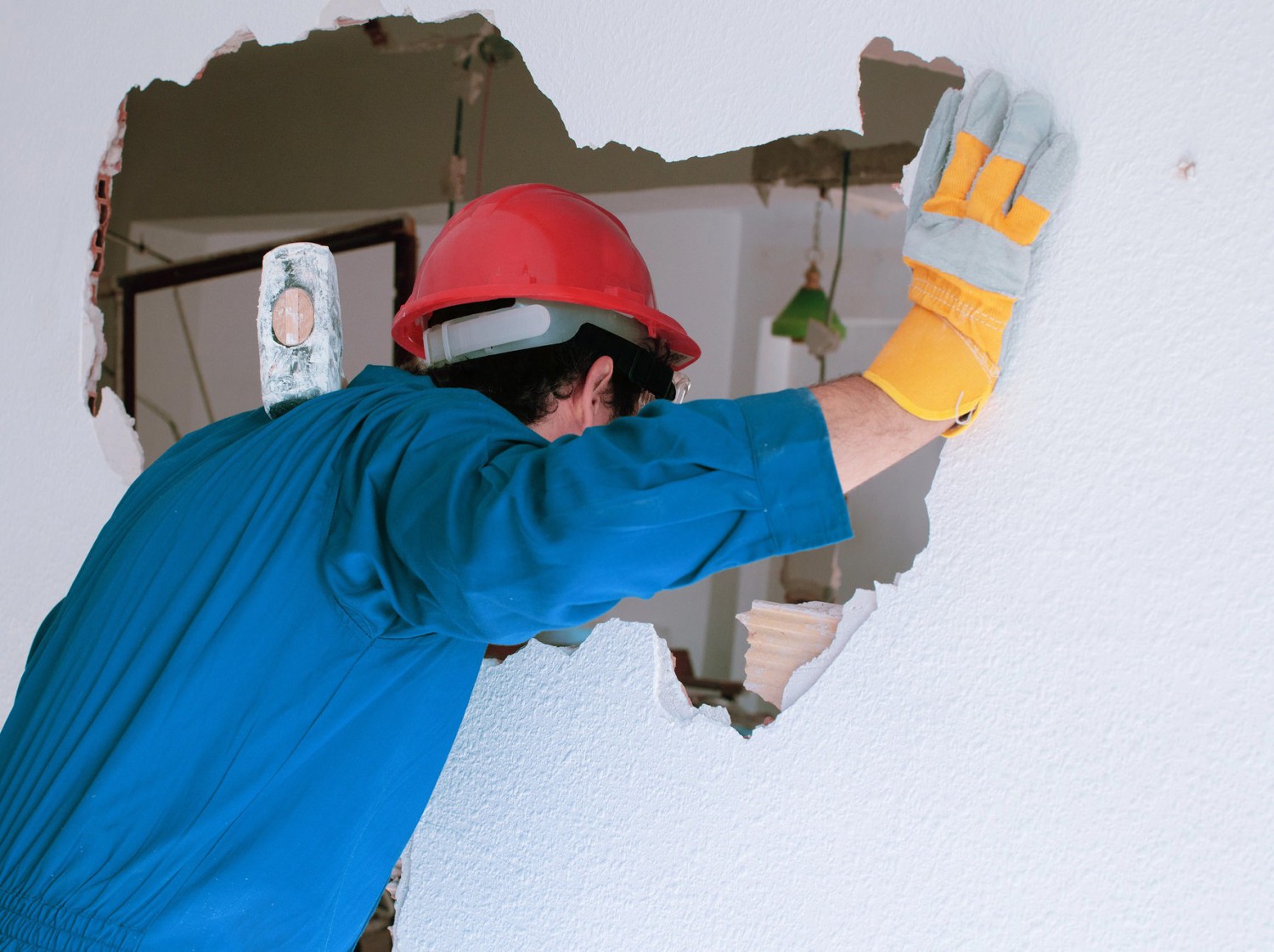
Ripping up a floor or opening a wall can sometimes unearth a deeper issue that requires extensive work to repair. It’s irritating… and stressful!
For example:
- Modernizing the bathroom exposes outdated plumbing.
- Remodeling the kitchen unveils a weakened structure.
- Finishing the basement brings growing mould to light.
- etc.
Faced with such a disappointing setback, a homeowner may ask themselves if they can just close up the wall and ignore what they saw.
Why You Can’t Act Like the Problem Doesn’t Exist
In theory, you could just seal up the wall and carry on as if nothing happened. In practice, however, turning a blind eye to a structural, sanitary, or mechanical problem often proves unwise.
Not only could this cause the situation to worsen over time, but it could also leave you liable if you sell the property at a later date. In Quebec, the seller must disclose any known defects, namely in the Declarations by the Seller.
Consequently, feigning ignorance after a major discovery can end up backfiring on you!
Why Does This Happen So Often?
Because a house grows and ages just like us.
Materials wear out, regulations change, past repairs weren’t always carried out to the highest standard… and some areas remain concealed for decades.
A renovation, like a thorough medical check-up, brings to light what was hidden beneath the surface.
It can occasionally reveal:
- Non-compliant electrical wiring
- Poor or missing insulation
- Old water damage
- Cracks in the foundation
Should You Carry On With the Work or Stop?
Good question!
The answer depends on the severity of the problem, your budget and your long-term goals.
If the issue involves only minor work (for example, replacing a few aging pipes), it’s better to fix it immediately while everything remains accessible. Putting it off will often end up costing you more in the future.
Conversely, if it’s a major concern (structure, foundation, contamination), it may be necessary to halt the work temporarily to consult specialists: engineers, building inspectors, qualified contractors, mould experts, etc. Making an informed decision helps avoid needless expenditure… or disasters.
How This Can Impact Your Budget
In any case, one important and stress-inducing factor that you can’t ignore is the budget. A renovation project estimated at $25,000 can suddenly balloon to $40,000 or more.
This is why professionals often advise setting aside an extra 10 to 20 percent of the budget to cover unexpected costs.
Why This Could Be Good News
Paradoxical as it may seem, discovering a problem can prove a blessing in disguise.
Correcting it now can help:
- Increase the property’s market value.
- Improve safety and hygiene.
- Reduce future maintenance costs.
- Prevent more serious damage.
- Make it easier to sell the property in the future.
Furthermore, on the real estate market, a property in which full and extensive work has been completed to correct underlying issues inspires far greater confidence in buyers than one that has simply undergone a “facelift.”
Revise Your Plan
Now and then, a homeowner discovers something so big that it forces them to reconsider their original plan… and if they should keep the property.
At this point, some decide not to invest heavily in a house that no longer meets their needs or fits their budget. Others choose to scale back the renovations, spread them out over time, or even sell the residence.
How to Plan for the Unexpected
Taking a few precautions before starting a project can help reduce the chance of uncovering unpleasant surprises. These include inspecting the property before any major work, checking its renovation history, and, as mentioned earlier, setting aside an emergency fund.
And yet, even these steps can’t lower the risk to zero.
While it’s never fun to find a significant problem during a renovation, it can represent an opportunity to address the building’s underlying issues. By ignoring these warning signs, you’re only postponing the inevitable.