
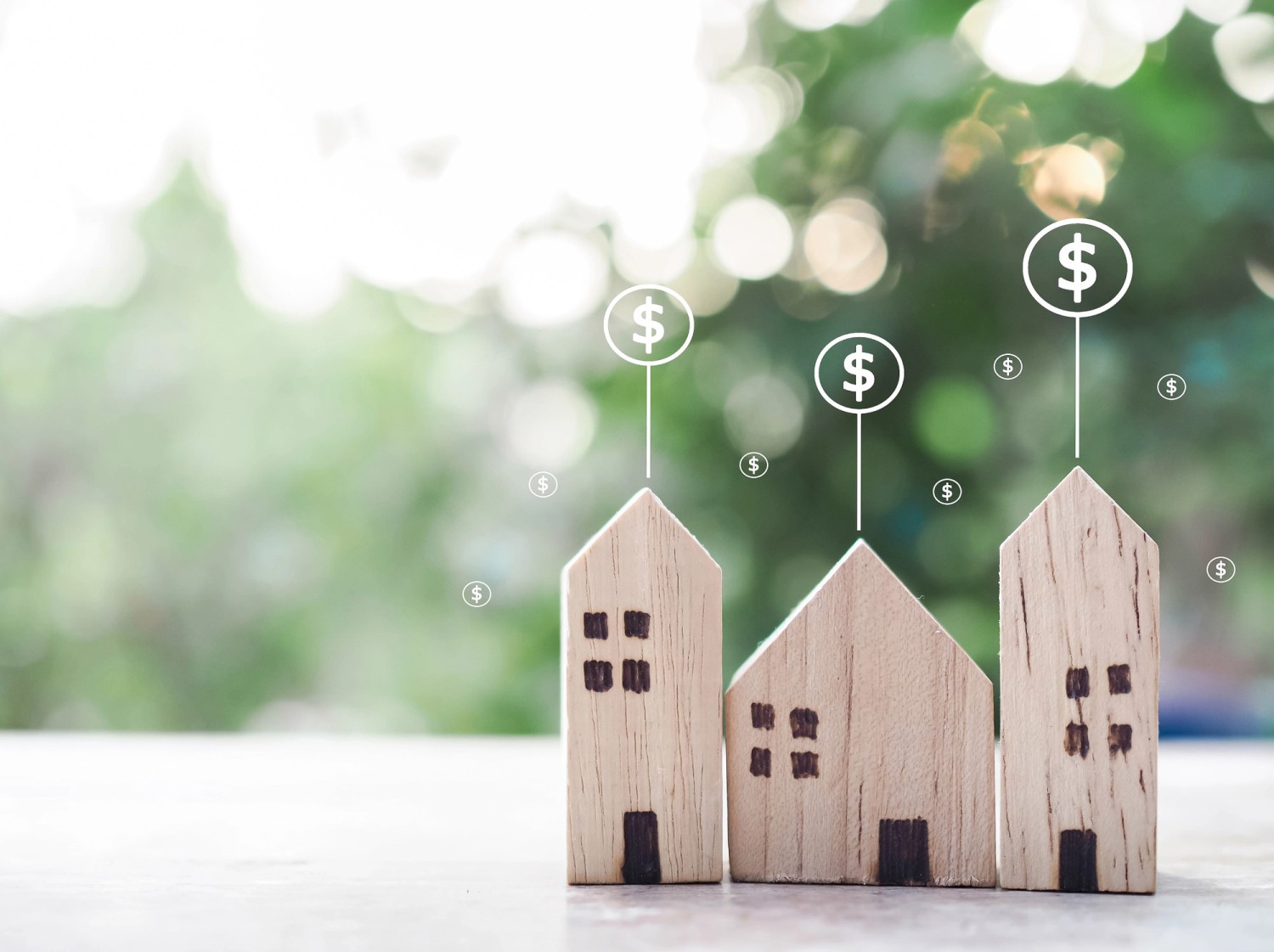
Some homeowners are fortunate enough to be able to pay off their mortgage early. Being mortgage-free is certainly liberating and the aspiration to live without debt is deeply rooted in our financial culture. And yet…
When one examines the situation more closely, paying off your home before the end of your mortgage contract isn’t always the best strategy.
Money That Might Be Better Invested Elsewhere
A mortgage is one of the rare debts backed by a tangible and relatively stable asset. Its interest rate is generally lower compared to alternative forms of credit, especially when measured against the potential yields offered by certain long-term investments.
Every dollar put toward paying off your mortgage early is a dollar that isn’t growing elsewhere. Depending on where you are in life, this choice could delay building an emergency fund, slow down your retirement savings, or limit your ability to pursue other financial opportunities.
The Hidden Risk of Low Liquidity
A rapidly paid-off home provides a sense of security, but it can also make you financially vulnerable. Unexpected events don’t go away with a mortgage, such as major repairs, loss of income, separation, illness, or the need to support a loved one.
When money is tight, homeowners generally have only one recourse: refinancing their home. Ironically, this type of loan generally comes with very high interest rates and limited options.
Tied-Up Funds
Furthermore, by systematically pouring all your available cash into the house, you’re converting part of your capital into a fixed asset. This money becomes difficult to access without refinancing, often reducing your financial flexibility.
A Strategy That Must Adapt as Your Age and Income Change
That said, paying off your mortgage quickly can be a wise move
- as you near retirement; or
- when your income starts to fluctuate.
Conversely, at the beginning or middle of one’s career, maintaining some debt while building a diversified assets portfolio can significantly improve financial stability over time.
Hence, for homeowners still active in the labour market, it’s better to aim for
- the right balance of repayment, savings, and investment, rather than a strategy focused solely on eliminating debt.
Of course there’s no blanket solution: a good mortgage strategy is dynamic and adjusts to your changing income, plans, and priorities.
The Psychological Aspect of Being Debt-Free
However, the emotional factors at play here shouldn’t be underestimated.
For some people, the peace of mind that comes with owning a paid-off home is worth more than any theoretical return. And that’s valid.
In this case, paying off the house first and then investing may generate lower returns, but it isn’t a bad decision either. In fact, real estate generally appreciates over time, making the purchase an investment in itself.
The bottom line is that financial freedom isn’t measured solely by your mortgage balance, but by your ability to weather unexpected events without jeopardizing your financial well-being.